Why Most Rehab Marketing Misses the Real Decision-Maker
Here’s a statistic that changes everything:
Up to 70% of rehab-related searches are performed not by the person struggling with addiction—but by a wife, mother, sibling, or close family member.
Yet most addiction treatment websites are written as if the addict is the only audience.
The result?
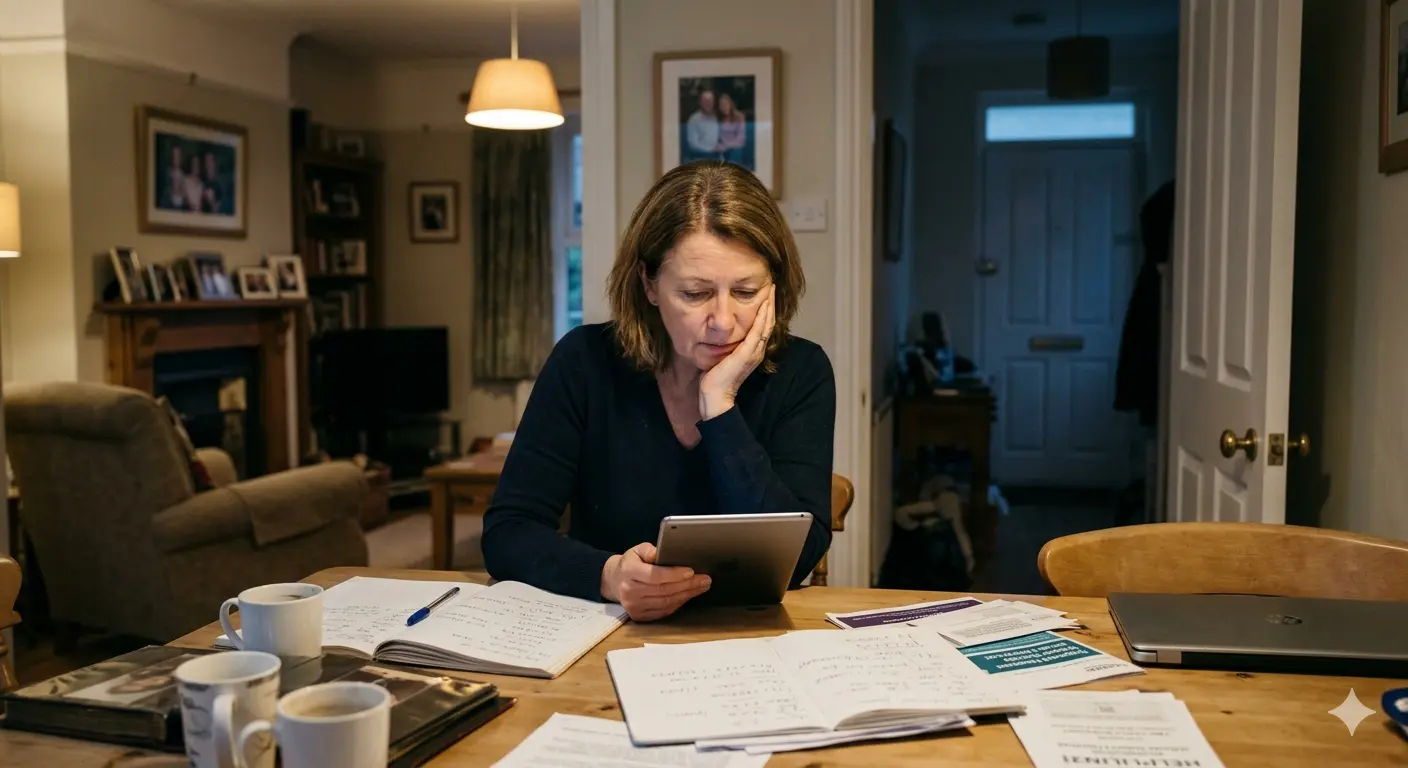
Clinics unknowingly ignore the actual decision-maker—the person desperately searching at 2am, trying to understand what’s happening, what to do next, and who they can trust.
At Rehab SEO, we call this person the invisible searcher. And capturing them is one of the most powerful—and underutilised—growth opportunities in the Australian addiction space.
Key Takeaways
- A significant portion of rehab-related searches are performed by concerned family members, not the individual with addiction.
- Most rehab websites fail to address this audience, missing the primary decision-maker in the treatment journey.
- Loved ones search using emotion-driven, question-based queries, often earlier in the decision process.
- Content that reflects empathy, clarity, and real concerns performs better in search and builds stronger trust.
- Dedicated content hubs and question-led articles strengthen topical authority and SEO performance over time.
- Subtle, supportive calls-to-action are more effective than aggressive sales messaging for this audience.
Who Is the “Invisible” Searcher?
The invisible searcher is rarely typing “I need rehab.”
They are typing questions filled with fear, confusion, and responsibility.
They might be:
- A wife noticing escalating drinking
- A mother worried about her adult son
- A sibling dealing with gambling or drug relapse
- A partner searching quietly before a crisis explodes
They don’t yet know:
- Whether it’s “bad enough” for rehab
- What treatment options exist
- How much it costs
- How to approach the conversation
- Who they can trust
What they do know is that something is wrong—and they need guidance.
The Keyword Shift That Changes Everything
Most rehab websites focus on keywords like:
- Drug rehab Australia
- Alcohol rehab centre
- Addiction treatment program
But concerned loved ones search very differently.
“Concerned Loved One” Search Behaviour
These users type:
- How to help a husband who won’t stop drinking
- Does my son need rehab?
- What to do if someone refuses addiction treatment
- Signs my partner is addicted to cocaine
- How to talk to a loved one about rehab
These are high-intent, early-decision keywords—and they’re far less competitive than generic rehab terms.
Ignoring those means leaving your most motivated audience to directories, forums, or generic health blogs.
Why Google Rewards Content for Loved Ones
Google’s algorithm increasingly prioritises:
- Search intent clarity
- Emotional relevance
- Demonstrated expertise
- User engagement and dwell time
Content written for family members naturally performs well because it:
- Answers specific, real-world questions
- Keeps users reading longer
- Builds trust before asking for action
- Signals genuine care, not sales pressure
This is why clinics that publish loved-one-focused content often see:
- Higher time-on-page
- Lower bounce rates
- Stronger brand trust
- More qualified enquiries
The Emotional Layer Most Clinics Miss
Concerned loved ones are not just looking for information—they’re looking for reassurance.
They are asking:
- Am I overreacting?
- Is this my fault?
- Can this be fixed?
- What if I make the wrong choice?
If your website jumps straight to admissions, programs, or pricing, you lose them.
Empathy Comes Before Conversion
Effective content for the invisible searcher must:
- Validate their concern
- Normalise uncertainty
- Avoid judgement or blame
- Offer clarity without overwhelm
This is not “soft” marketing.
It is strategic trust-building.
Rehab SEO’s Content Strategy for the Invisible Searcher
At Rehab SEO, we design content ecosystems specifically to capture, nurture, and convert family members—ethically and effectively.
- Intent-Based Content Mapping
We map content around the decision journey of a loved one:
- Awareness stage: “Is this addiction?”
- Concern stage: “What happens if I do nothing?”
- Evaluation stage: “What type of rehab is right?”
- Action stage: “Who can I trust to help?”
Each stage requires different language, tone, and depth.
- Loved-One-Specific Content Hubs
Rather than burying these topics in blogs, we recommend dedicated content hubs, such as:
- Support for Families of Alcoholics
- Help for Partners of Drug Users
- Guidance for Parents of Adult Children
These hubs:
- Internally link to service pages
- Signal topical authority to Google
- Position the clinic as a guide, not just a provider
Directories cannot replicate this depth authentically.
- Question-Led, Search-Optimised Articles
We target long-tail, emotionally driven queries with clear structure and SEO best practice.
Each article is built to:
- Answer one core question thoroughly
- Include related sub-questions
- Use natural language (not clinical jargon)
- Gently introduce treatment pathways
This allows clinics to rank early—before the loved one even searches “rehab.”
Turning Empathy into Trust (And Trust Into Enquiries)
The goal isn’t to “sell rehab.”
The goal is to become the most trustworthy voice in a moment of fear.
Subtle Conversion Signals That Work
Instead of aggressive CTAs, effective pages include:
- “Speak confidentially with our admissions team”
- “Get guidance on next steps”
- “We can help you decide, even if you’re unsure”
This aligns with how family members actually feel.
When they’re ready to act, they already trust you.
Why This Strategy Outperforms Aggregators
Referral directories focus on volume and comparison.
They are transactional.
Clinics that capture the invisible searcher are relational.
Key Advantages for Clinics
- You enter the conversation earlier
- You shape the narrative around care, not price
- You reduce reliance on paid referrals
- You attract families already aligned with your approach
By the time directories appear, the decision is often already made.
Compliance and Sensitivity Matter (Especially in Australia)
In the Australian addiction space, content must balance:
- Empathy
- Accuracy
- Ethical responsibility
- Advertising compliance
At Rehab SEO, we ensure content:
- Avoids fear-based or misleading claims
- Uses appropriate health language
- Aligns with Australian healthcare standards
- Respects vulnerable audiences
This protects both rankings and reputation.
The Long-Term SEO Benefit Most Clinics Overlook
Loved-one content doesn’t just convert—it compounds.
Over time, it:
- Builds topical authority
- Earns natural backlinks
- Supports service page rankings
- Strengthens brand trust signals
Many of the highest-performing rehab websites didn’t start by ranking for “rehab.”
They started by answering the questions no one else was willing to address properly.
Final Thoughts
If your website only speaks to the person with addiction, you are missing the person who is most likely to:
- Make the call
- Book the admission
- Advocate for treatment
- Choose one clinic over another
The invisible searcher doesn’t want marketing.
They want understanding, clarity, and a safe next step.
Clinics that recognise this don’t just rank better—they build deeper trust and more sustainable admissions pipelines.
At Rehab SEO, we help clinics become that trusted voice—long before the phone rings.